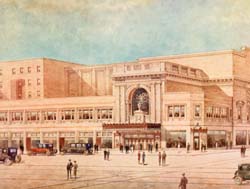
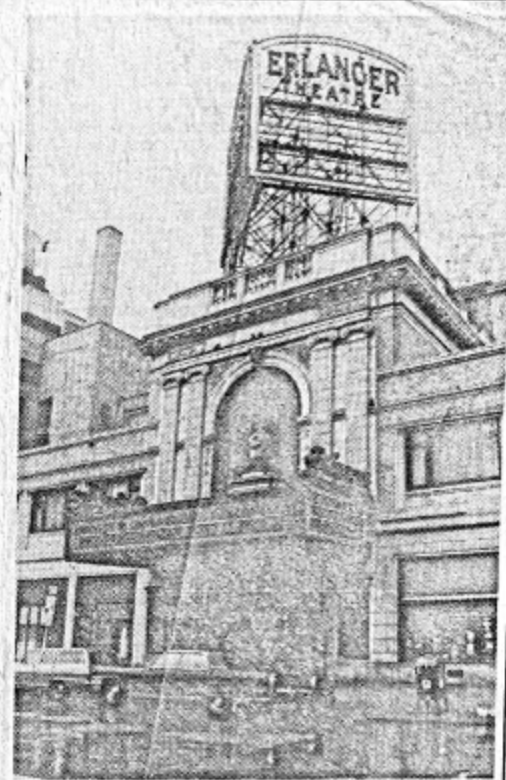
Philadelphia’s Erlanger Theatre stood on the northwest corner of 21st and Market for half a century, a witness to the complex and ever-evolving world of theater, film, and live performance. Over the years, it passed through a number of phases; from a legitimate theater to a first-run cinema to a nightclub and rock venue, the Erlanger was embroiled in political and economic conflicts which made their mark on the landscape of Philadelphia, and the United States as a whole.
Background
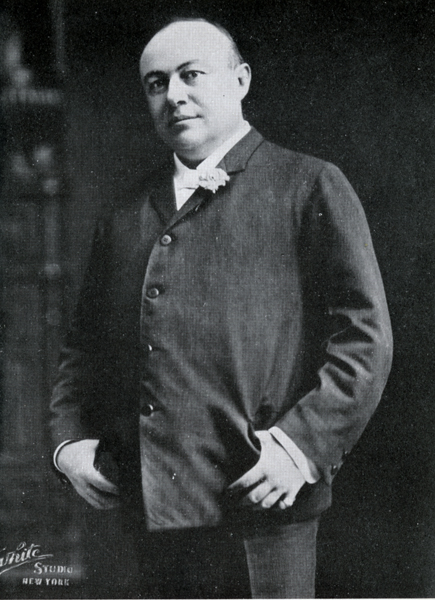
Abraham Lincoln Erlanger was a founding member of the Theatrical Syndicate, an organization built to control and monopolize power over theatrical bookings. Working with Samuel F. Nirdlinger and Frederick Zimmerman, the Syndicate gained complete control over the city of Philadelphia, as a first in their conquests throughout the country. The organization ultimately fell, largely due to their infamous rivalry with the Schubert brothers, who led another major theatrical organization.
By the late 1920s, Erlanger and the Schuberts were collaborating in jointly managing the old Forrest Theatre. The theater, located on Broad and Sansom in Philadelphia, was demolished by Fidelity Trust in 1927. With its destruction, the two parties went their separate ways. The Schuberts went on to build a new iteration of the Forrest Theatre, which still stands today. Erlanger’s own attempt to fill the void left by the Forrest was to be the New Forrest Theatre. The name was changed to the Erlanger Theatre shortly before opening.
1927-1940: The Early Years

Erlanger built his namesake theater in partnership with the Stanley Theater Company in 1927. It was constructed under the architecture firm Hoffman-Henon Co., which was a leading theatrical design company and credited with other establishments like the Mastbaum and the Prince. With a Georgian interior, the Erlanger sought to recreate a Napoleonic French atmosphere and inspire “the elegance of an old-world Chateau.” 1 The building featured elaborate murals by Jules Le Boutelier, which in turn exhibited scenes of ladies learning to dance and of actors rehearsing before Napoleon himself. Mosaic floors and Italian marble made way for twin staircases, leading to the “Spanish Lounge.” The space was especially significant as it allowed for both men and women to assemble and interact.
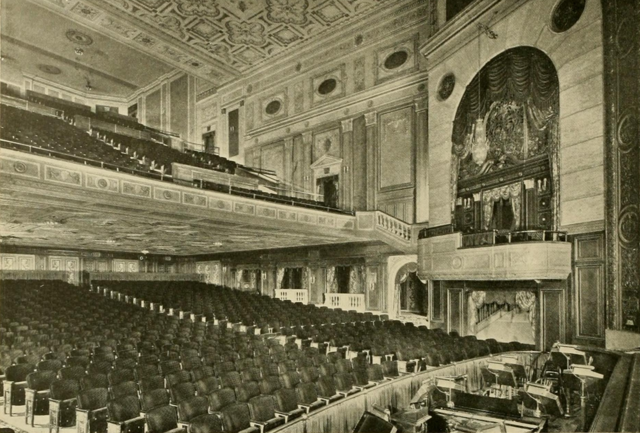
Reports also detail that the theater cost $2,500,000 to develop. The exorbitant costs highlighted the Erlanger as one of the most expensive theater palaces in the United States at the time.2
It opened on October 3, 1927 with a production of Criss Cross with Fred and Dorothy Stone. Reporters remarked upon the cozy, intimate aura evoked by the Erlanger, despite its grandiose appearance and over 1,850 seats.3 Amber lighting from crystal chandeliers and the light blue color scheme with golden highlights allowed for connection between performer and audience member.
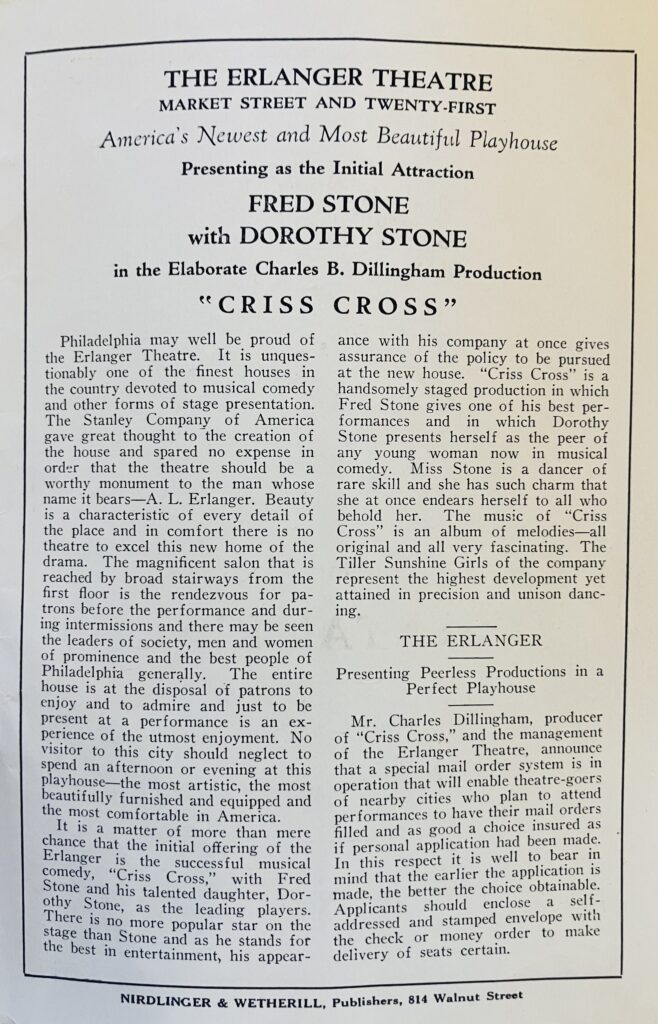
In 1929, the theater was leased to RKO. Though the Erlanger was originally intended as a legitimate theater to present live shows, RKO attempted to transform the venue into a first-run picture house. They premiered their first talkie, Street Girl, there the same year. Weeks before the lease expired, however, RKO gave up the theater. The venue was passed over by other major production and distribution companies. They favored other theaters throughout the city, and the Erlanger was labeled as ill-located for first-run pictures. Papers like The Exhibitor commented upon its inaccessibility, citing it as “quite a walk from either “L” or Subway station,” and that other establishments along the way drew away potential customers.4
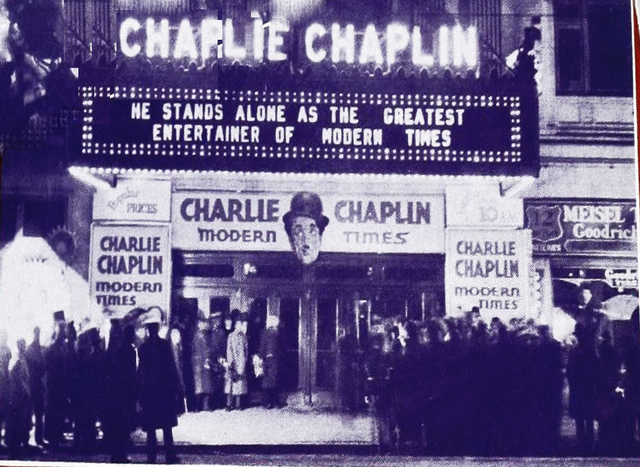
The dawn of the new decade saw the death of Abraham L. Erlanger in early March. Former Syndicate partner Samuel Nixon-Nirdlinger took over the entirety of Erlanger’s market holdings before they were put on the market. This included the Erlanger Theatre in addition to a number of other theater houses in Philadelphia, Baltimore, Pittsburgh, and the South. At this time, Nixon was known as “one of the most capable business managers in the legitimate field, where he founded many new and business-like policies.”5 Under his ownership, the Erlanger turned a nice profit, with cut rates and 40 cent passes. Major films were screened at the Erlanger, including Charlie Chaplin’s Modern Times in 1936.
1940-1948: The William Goldman Theatre Co.
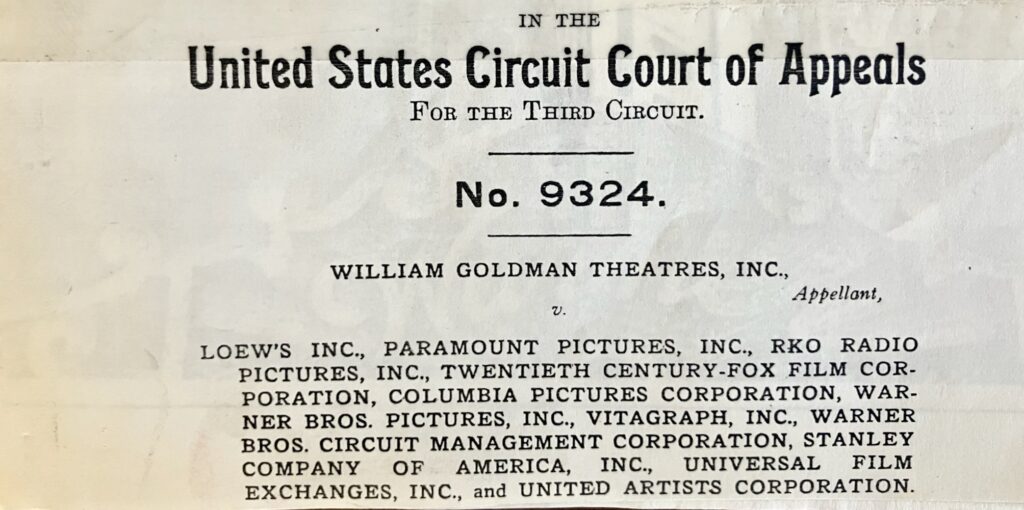
William Goldman commenced a 10-year lease of the Erlanger on November 9, 1940, with an annual rent rate of $12,000.6 A little over a week later, on November 20, 1940, Golman filed a lawsuit against corporations like Loew’s, Warner’s, and RKO. As an independent, Goldman struggled to secure first-run movies to screen and thus took action against the monopolistic practices of major distributors. The complaint was originally dismissed as of April 4, 1944 by Judge William H. Kirkpatrick. Only four months later, however, the United States Department of Justice intervened.
Motivated in part due to their own pending suit, which charged the same distributors, the government found that the monopolistic practices charged by Goldman were not limited to Philadelphia, but that “the big film combine follows the same pattern all over the U.S. of giving first run favoritism to selected exhibitors.” The decision was then reversed on August 2, and Goldman was awarded $1,125,000 in damages. The case acted as a critical landmark in the motion pictures industry. The Motion Picture Herald reported that Special Assistant to the Attorney General, Robert L. Wright, highlighted the important precedent set by the case. He claimed the court’s decision “would be offered in the Government’s anti-trust case against the major distributors which comes to trial October 8 in New York.”7 The lawsuit was considered a go-ahead for other independent exhibitors to take action against the major distribution companies, and was ultimately instrumental in the complete deconstruction of the block-booking system.
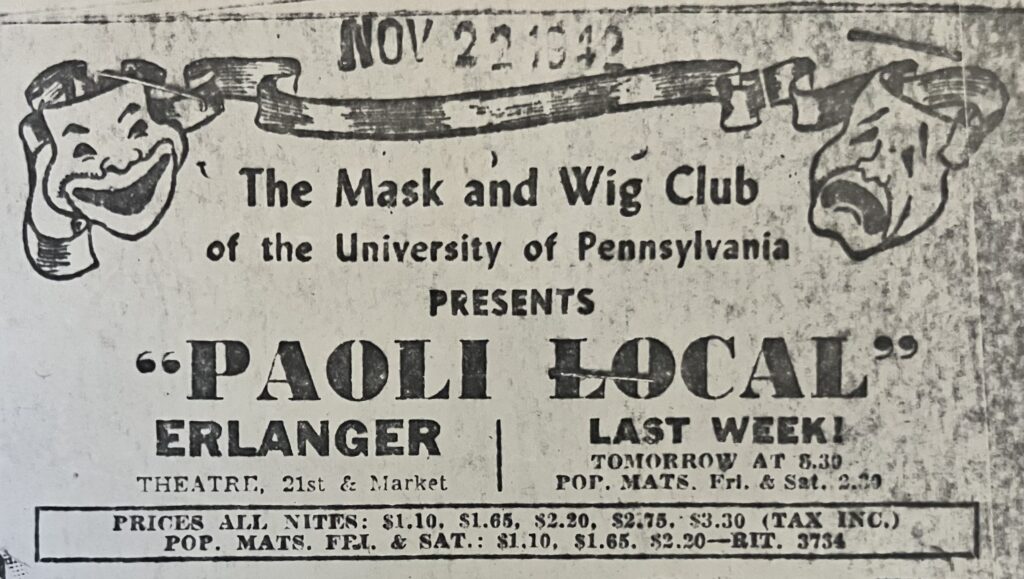
Since he had leased it five years prior, William Goldman had been unable to use the Erlanger as a movie house until September of 1945, when the screen was illuminated by Wonder Man, a Samuel Goldwyn musical film.8 The theater had not been completely abandoned in the years pending the court decision, though. Live shows, including the University of Pennsylvania’s own Mask and Wig club performances, were featured in between.
The Erlanger did not last as a movie theater for long. Only two years after its first film under Goldman’s management, the screen went dark once more. The theater had screened The Outlaw, which reveals hints of Jane Russell’s cleavage. Showing such “lewd” pictures sparked outrage, namely from Cardinal Dougherty, who called for a boycott of theaters in 1947. Goldman responded to the backlash, writing, “”In deference to your position representing as it does those in the community of the Catholic faith, we are today withdrawing the picture. . . . Had your views been called to our attention prior to initial exhibition of the picture, we would have at that time given them consideration.”9 The movie was withdrawn from the Erlanger, and the venue closed yet again.
1950-1966: The Descent Into Darkness
The Erlanger’s operation in the 50s was mysterious, but relatively normal, with a slew of “legit theater” shows playing at the theater– when it was open. Many great works saw their debut in the city there. In 1956, soprano Julie Andrews, relatively unknown at the time, delivered a showstopping performance in “My Fair Lady” in its national tour before making her way onto Broadway. Other musicals that saw commercial success on Broadway, such as “Brigadoon”, played at the Erlanger in their openings and test periods.10
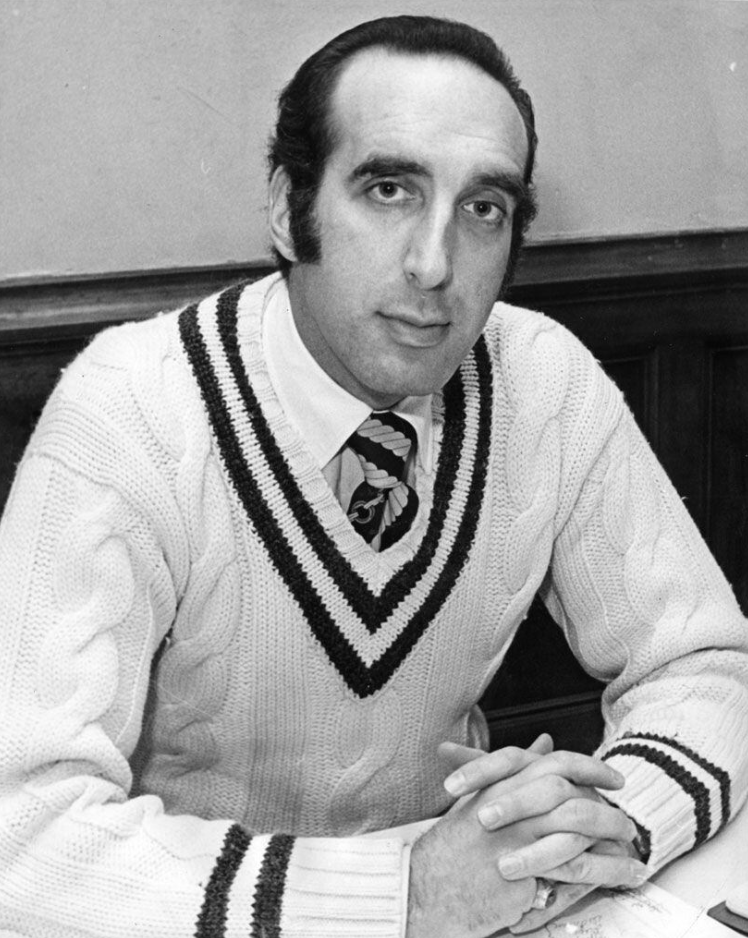
Harry Jay Katz came into the picture in the 1960s. Known as the “Licorice King of Philadelphia”, Katz was widely known at the time for his failure in his attempt to open a Playboy Club after visiting one in Chicago.11 Katz showed signs of financial mismanagement in this very first failed venture: a coddled son of a businessman who made a living in peddling licorice, and his business-woman mother, he spent so much time and money acquiring a mere liquor license that he was broke by the time he had permission to build the club, and had to abandon the project.
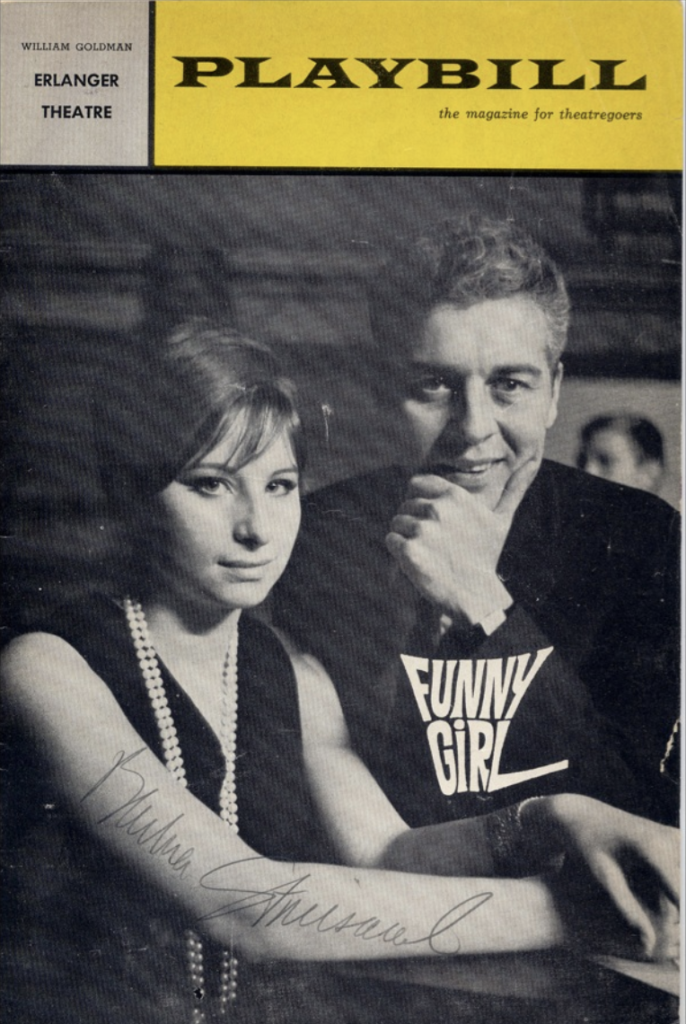
While Katz was setting his sights on the Erlanger, which was slowly falling into a period of difficulty in the operation of legitimate theater shows, “Funny Girl” was performed as a “tryout” in 1964, where powerhouse vocalist Barbra Streisand, who had her debut in the musical theater scene two years prior, delivered a memorable performance. It played on Broadway later that year. 12
Come 1966, the Erlanger Theater closed its doors. According to a management group in the legitimate theater business called Aurora Productions—who later took over the Erlanger—the theater closed because “ticket prices were too high and the location was inconvenient for theatergoers.” 13
1968-1975: The Aurora Company and the Katz Attack
Harry Jay Katz successfully seized control of the Erlanger Theater in 1968. Under his command, it became “Cafe Erlanger”: a fusion restaurant/night club/rock show venue. In September of the same year, ownership of the Erlanger Theatre shifted to two new owners: Harry Jay’s mother, Lawrence Katz, and Samuel Rosenblum, the CEO of the manufacturing that Mrs. Katz was also on the board of. 14 The sum of this sale was never disclosed, and it seems that no changes were made to the operation function of Cafe Erlanger after the sale. For six days a week, Cafe Erlanger served as a restaurant, and on Sundays, it operated as a concert venue. The restaurant-nightclub hybrid began to host rock concerts in 1969, a product of the music of the times and the nightlife entertainment Harry Jay envisioned for the grand venue. For the next several years, the Erlanger saw performances from popular artists of the time, notably featuring Barry Manilow in May of 1969. 15
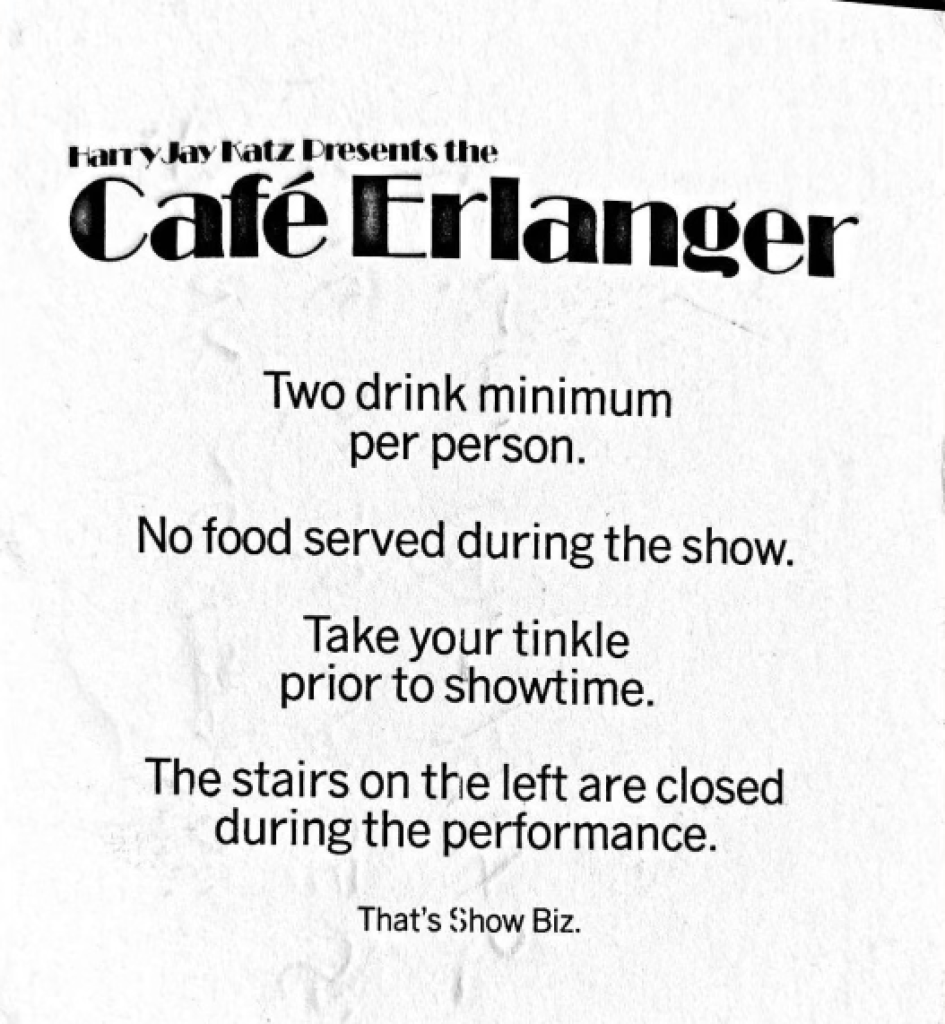
Between the end of 1972 and the beginning of 1973, the Erlanger Theater reopened for its first theatrical season since 1966. It was managed by the aforementioned Aurora Productions, “a group that [planned] to stage a mixed program of legitimate theater, dance, opera, and rock and popular music.” 16 Head of the Aurora Group was Ira Meltzer of New York, who has experience in the legitimate theater businesses of Off-Broadway. The entire downstairs lounge of the Erlanger was turned into a nightclub and restaurant. The Aurora Group considered the Erlanger “a prime location”, and did work in booking productions with moderate-to-low staging costs to hold expenses down. Such productions included new plays and reinterpretations of classical works through theatrical lenses. Ultimately, these productions were novel and “experimental”, featuring several works by Black playwrights– brought to Philadelphia for the first time, but still considered by the group to be potentially successful. Little to no renovation was performed to the actual venue, as it was not deemed necessary and probably would not have been financially viable. Air conditioning was explicitly mentioned as a feature of the Erlanger that maximized its venue functionality. Katz and her co-owner, Samuel Rosenblum, continued to hold ownership of the theater, and received an undefined percentage of the take from productions. The Aurora Group also paid them $75,000 a season in rent, separate from their production share. However, Aurora members took complete managerial charge. Judy Sciaky, overseer of productions and a 24-year-old woman who had previously worked as the assistant to the general manager at the Walnut Street Theater, booked shows. David Kasanow, 24, continued his experience in managing from his time at another Philadelphia concert venue, the Electric Factory, serving as Erlanger house manager. Walter Zacariah, New York, was the principal financial backer. He himself came from no theater experience at all, and served as president of Lancer Books, Inc, a publishing company in New York.
The impersonality of management by a third-party group that was only half composed of individuals with theater experience seemed to stifle the theatrical possibilities of the Erlanger: after less than a year, the Erlanger closed. Later in 1973, though, Harry Jay Katz reopened the theater. For the three years it was operational under Katz—between 1973 and 1975—the theater grossed 2.5 million dollars, equivalent to nearly 14.5 million today. 17
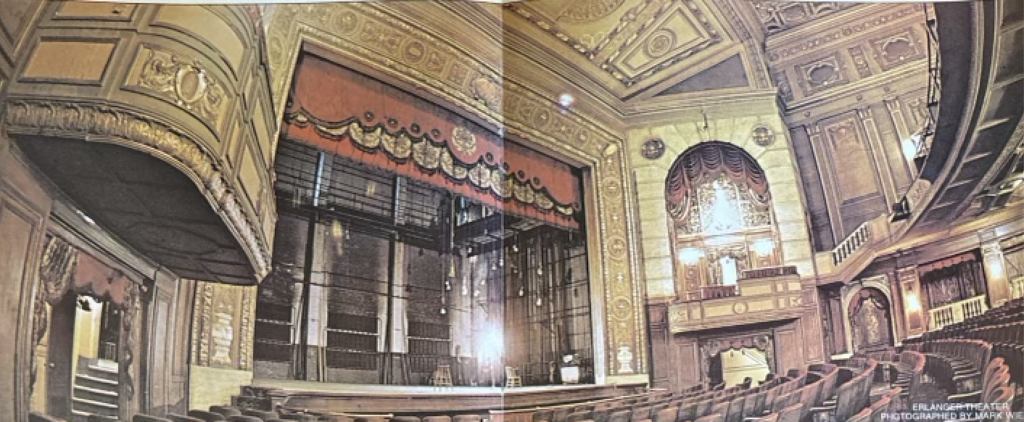
It was the business model that Katz implemented that led to its financial flourishing. However, his inappropriate behaviors and discriminatory views seeped into his business practices, and while income came in, Katz was unable to maintain its success. In an integrationist move with undeniably racist undertones, Katz shifts the marketing of the Cafe Erlanger to something he called “Black Chic”: a place where Black people could engage in nightlife and be the primary customers, and White people could mix as they pleased. The inverse, he explained, was too provocative. Harry Jay went on record to the Evening Bulletin to elaborate: “One thing I’ve learned: it’s a lot easier to operate a black disco and let whites in, than to operate a white disco and let blacks in. You cannot make a living in Philadelphia relying on the “beautiful people.” 18
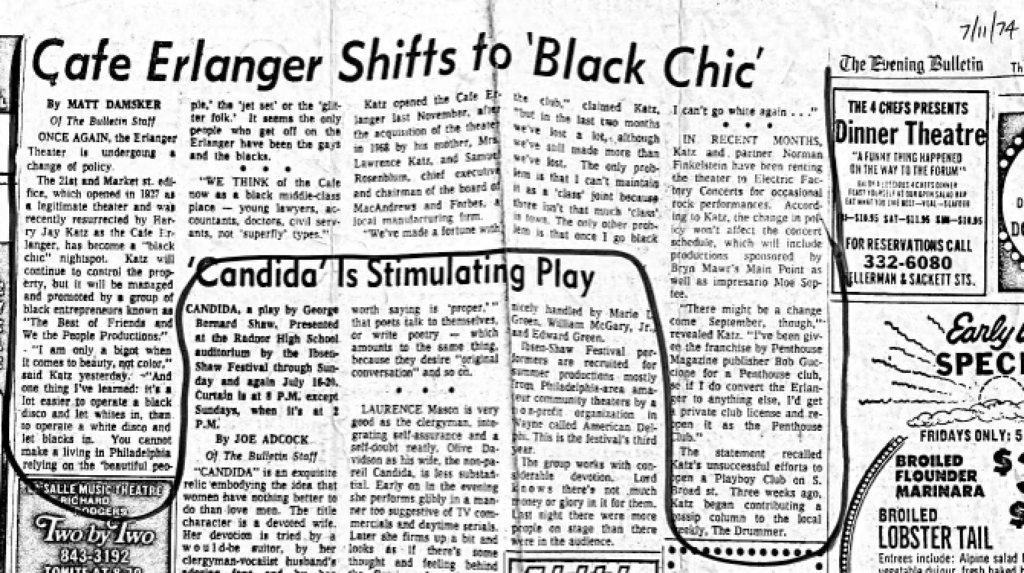
Harry Jay certainly did try to, though. A man who called himself “a chauvinist first”, in an appeal to the male customer, Katz had also posted hiring ads that sought out solely attractive women for waitressing and bussing. 19 In June of 1974, Harry Jay Katz was ordered to stop hiring and training employees for the Cafe Erlanger due to a discrimination lawsuit filed against him by the Human Relations Commission of the City of Philadelphia. His presentation of evidence in court did little to no good.
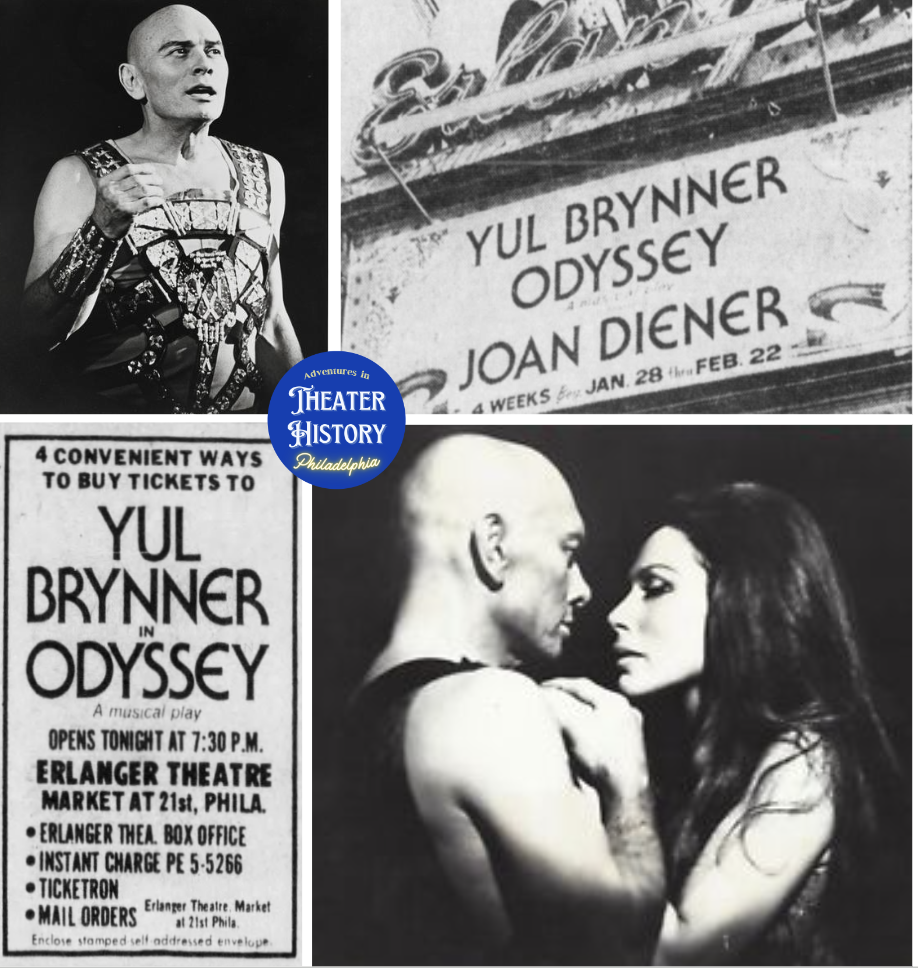
So, in 1975, the Erlanger once again switched gears. On January 28th, “Odyssey,” a new musical starring Yul Brynner and Joan Diener, opened at the Erlanger Theatre.20 60,000 people saw the show at the Erlanger over the course of its four-week period there. It then went on a national tour, during which it was retitled “Home Sweet Homer”. Its run ended in New York in January of 1976. The event was booked by a man named Moe Septee who had also booked major events for the Academy of Music and the Locust Street Theatre of Philadelphia. At the time of this showing, the Erlanger Theatre still had its “The Cafe Erlanger” sign on it, and in a limited capacity, served as a nightclub and a bar. The “three sided mezzanine” had been turned by Katz into a restaurant, and the downstairs lounge was consistently a discotheque as it had been during the Aurora Productions holding. 21
In February of 1975, the Inquirer article covered Harry Jay Katz’s newest endeavor: his run for Philadelphia city council at large. He lost without a question. Katz, 34 years old, uses the Erlanger Theatre as the headquarters for his campaign.22 He is already considered a notorious figure at this point in time already, with his Erlanger dream deemed “big, expensive, and impossible”. In the words of an Inquirer article from February of 1975: “Harry Jay has been trying to inject some life into this city for years, but he’s always taken a terrible bath.” 23
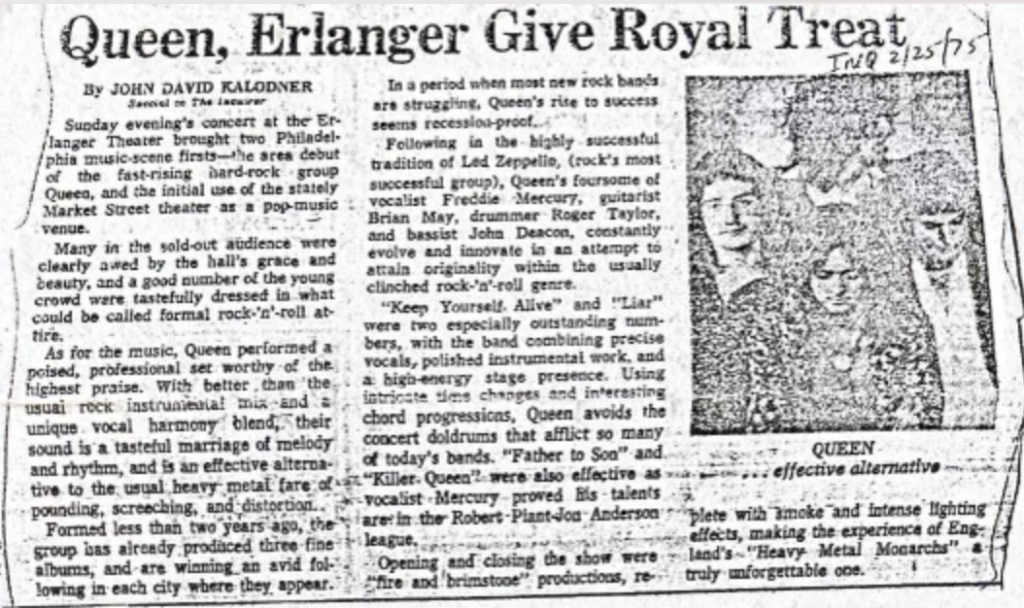
With the coming of March comes a new Erlanger. The theater once more shifts to a modern rock house, and Katz’ embracing of electronic theater equipment, namely amplifiers and microphones, is looked down upon. The theater is alive, according to reports, but not too well. Another failure of the Erlanger emerges: a lack of training by the artists, actors, and singers who are featured in productions being put on, and the purchasing of electronic equipment as a “cost-cutting device” to avoid the hiring of live musicians, a live orchestra. 24 Theaters in general are no longer being seen as competitive with those of Britain, and “legitimate theater” is no longer being considered legit. Philadelphia, in particular, is considered a historical hub of the arts with a longstanding tradition of performance, therefore featuring a particularly critical audience. With the poor reception of new theatrical endeavors, the Erlanger isn’t being very well received by Philadelphia audiences in this period. In its rock house era, the Erlanger does however see performances from rising celebrity rock groups like Queen. 25
As July of 1975 rolls around, the Erlanger is evidently doomed and seems unlikely to make it to its Bicentennial, a milestone its owners were hoping to see through. Its many structural failures are too costly to repair given its downturn in operation, such as the leaking of the roof, plaster falling, and a fire sprinkler system that does not pass inspection. Operators began canceling their leases with the Erlanger. Harry Jay essentially admits defeat: “It’s too big for me… I would say the era of the Erlanger as a theatre is over. It probably will be knocked down and turned into a parking lot.” 26 On March 7, 1976, Harry Jay for the very last time tried to reopen the Erlanger.
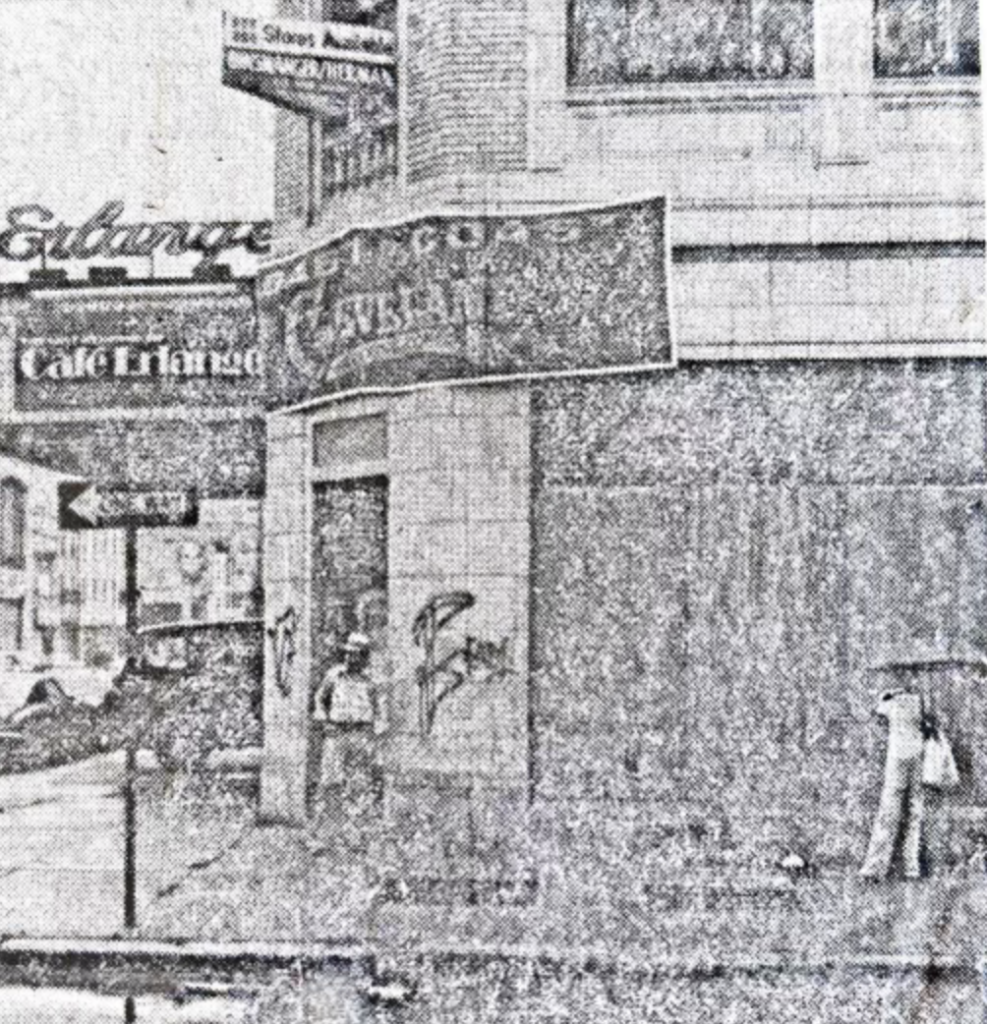
Katz had sold his liquor license at some point, and could no longer keep the Erlanger operating as an entertainment venue that could vend alcohol beverages, but did go on record to say he had acquired the estimated $1000 dollars to fix the air conditioner that had at some point in the last few decades broken, as well as the leaking roof that spelled out the Erlanger’s doom several months before this point. Katz returned with an idea featured in the Philadelphia Inquirer: “Backstage at the Erlanger”. 27 He sought to convert the backstage area of the Erlanger into a front entrance of sorts, with the stage door serving as a main door, through a passageway lovingly—and frighteningly—called an “alley”, leading to an elevator shaft that Katz wished to turn into a refreshment stand. The orchestra pit, long unused, was to become the main stage, and the stage itself a seating area for 300. For entertainment, Katz sought to outsource, hiring private catering companies due to his lack of ability and permitting to provide food and drink. It is unclear in the few newspaper clippings and pieces of coverage of the Erlanger that remain from this dark period of its existence whether or not these renovations ever took place: Katz was a notorious “idea man” with a pattern of inability to follow through. If they did, though, they were surely unsuccessful in breathing new life into the Erlanger, which was demolished just two years later.
1978: A Last Hurrah
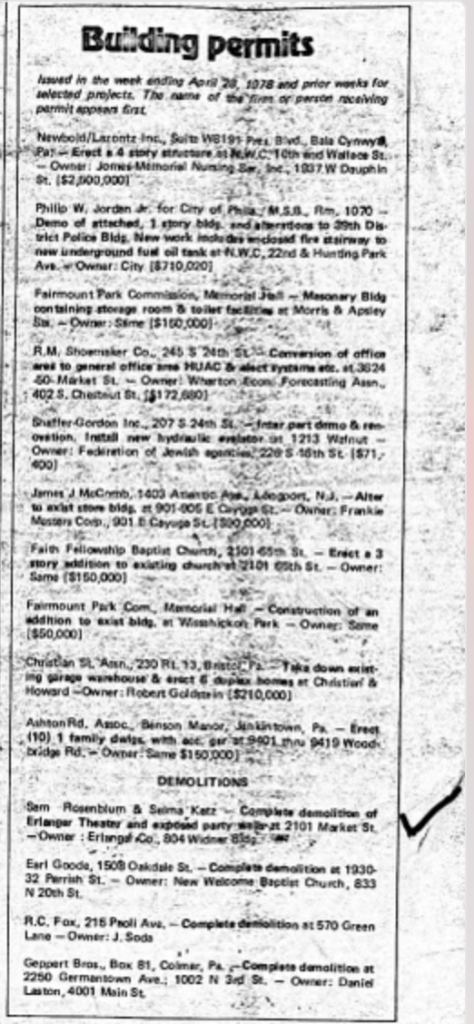
In April of 1978, a demolition permit was issued for the Erlanger Theater by the Department of Licenses and Inspections of the City of Philadelphia after Samuel Rosenblum sought to raze it and build a parking lot in its place. 28 Demolition was stalled temporarily due to unknown circumstances. At this point in time, Harry Jay Katz no longer had any input on the Erlanger from a business standpoint, with the only relic of his influence being the remnants of his “Harry Jay Katz Presents The Cafe Erlanger” sign.
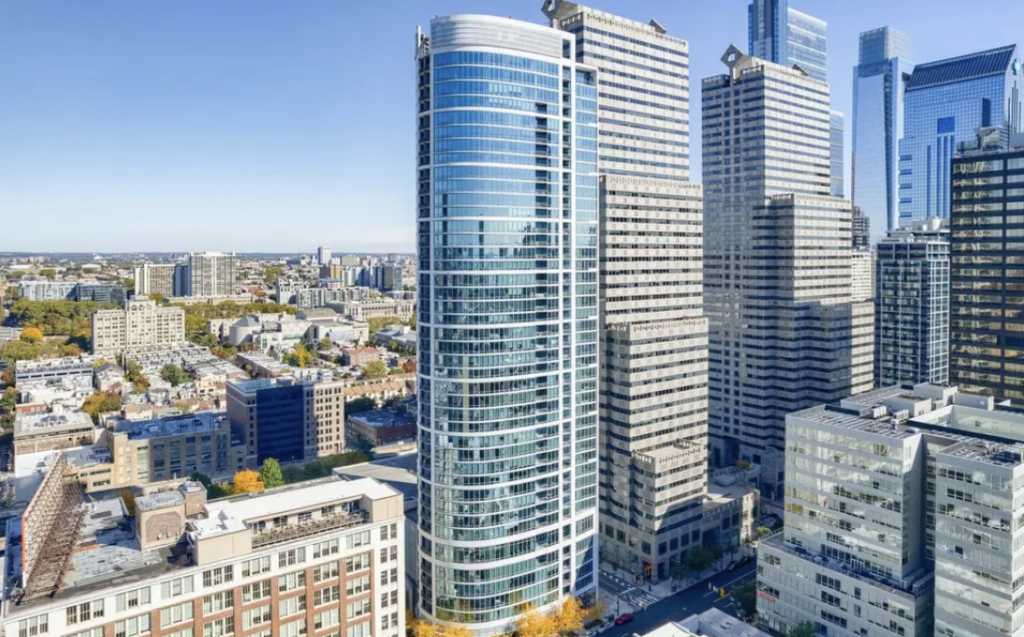
Lawrence Katz said that the theater has become an “unbearable financial drain… losing in excess of $150,000 a year.” The property had been vandalized and left in disrepair to a point of no return. In August, the interior of the Erlanger was cleared by Cleveland Wrecking Company.29 Several seats and chandeliers were salvaged from the wreckage, and some were sold to other theaters in big cities like Chicago and New York. 30 A piece in the Variety was published the same month, with Harry Jay going on record to say that his final inability to keep the Erlanger alive was due to “short-sightedness” on the part of city administration, an overly expensive overhead operations cost of $1,250 a week, and tax problems. One month later, in September of 1978, the building was razed, and parking lot construction began. After three decades in this state, in 2008, the Erlanger parking lot became the home of a new apartment complex, the Murano residential tower, still standing today.
- “As to the Theatre,” Irvin R. Glazer Collection, Athenaeum of Philadelphia ↩︎
- Ibid. ↩︎
- “Erlanger is Newest of “Legit Theatres,” The Exhibitor, October 15, 1927 ↩︎
- The Exhibitor, June 1930 ↩︎
- “Nixon-Nirdlinger to Operate Erlanger Houses,” The Exhibitor, March 1930 ↩︎
- William Goldman Theatres v. Loew’s, Inc., 150 F.2d 738 (3d Cir. 1945) ↩︎
- “Exhibition Finds New Door to Court in Goldman Verdict,” The Motion Picture Herald, August 11, 1945 ↩︎
- “Goldman to Open Philadelphia House with “Wonder Man,” The Motion Picture Herald, September 1, 1945 ↩︎
- “Goldman Ends Run of “Outlaw” ”Amber” Still On,” The Motion Picture Herald, November 15, 1947 ↩︎
- “Saving the Erlanger May Take Angel’s Help,” The Philadelphia Inquirer, April 27, 1987 ↩︎
- “Harry Jay Katz, Philadelphia’s Playboy, Has Died,” Philadelphia Magazine, February 23, 2016 ↩︎
- Ibid. ↩︎
- “Erlanger Theater to Reopen in Fall,” Irvin R. Glazer Collection, Athenaeum of Philadelphia, April 13, 1972 ↩︎
- “Erlanger Theater Slates Sunday Rock Concerts,” The Bulletin, May 1969 ↩︎
- Ibid. ↩︎
- Ibid. ↩︎
- “Philly Shrugged, Erlanger Slugged,” The Variety, August 23, 1978 ↩︎ ↩︎
- “Cafe Erlanger Shifts to ‘Black Chic’,” The Evening Bulletin, July 11, 1974 ↩︎
- “‘Katz Meow’– No MAN’S Land!” Irvin R. Glazer Collection, Athenaeum of Philadelphia, June 19, 1974 ↩︎
- “Musical to Open Theater Closed for Seven Years,” The Bulletin, January 26, 1975 ↩︎
- Ibid. ↩︎
- “Light Touch in a Graveyard,” The Philadelphia Inquirer, February 25, 1975 ↩︎
- Ibid. ↩︎
- “Training is Missing in the U.S. Theater,” The Philadelphia Inquirer, March 12, 1975 ↩︎
- “Queen, Erlanger Give Royal Treat,” The Philadelphia Inquirer, February 25, 1975 ↩︎
- “Philly’s Erlanger Calls Quits After Season Renewal,” The Variety, July 22, 1975 ↩︎
- “Erlanger, Philly, May Be Reopened as Mini Theatre,” The Variety, March 1976 ↩︎
- Ibid. ↩︎
- Ibid. ↩︎
- “The Scene in Philadelphia: Theaters, From Market Street to the Loop”, The Philadelphia Inquirer, July 26, 1986 ↩︎
