Films and especially the act of moviegoing have, throughout their relatively short history, been construed as an opposition against moral goodness and institutions that uphold these tenets. To rephrase succinctly, many religious people and institutions have taken issue with the film production and theater industries, accusing them of promoting acts and themes antithetical to religious teachings. For example, cinema and the act of moviegoing has been a controversial subject for the Kano government and Islamic authorities in northern Nigeria to try to regulate. The introduction of cinema began with British colonial administration, which comes with its own complications, and moviegoing was additionally “stigmatized as an illicit activity” because of the film’s themes of alcohol and commodification. Films were also censored because whether the events on screen were truth or fiction were unclear, and were thus anti-God. Even in the contemporary United States, some religious parents might discourage their children from going to multiplexes to view films above the G-rating, even at the adult age. The interactions between religious institutions, film and theater industries, and moviegoers as they try to vie for their interests, moral teachings, profits, and entertainment is both interesting and unique. This blog post aims to provide background to one of the most effective yet short-lived movements against moviegoing in United States history: the Catholic boycott of screenplays in Philadelphia.
Though the boycotts of movies by Christians had already begun in the months prior, the Catholic boycott of movies in Philadelphia began officially when Cardinal Dougherty sent a letter addressed to all priests in the Archdiocese of Philadelphia to boycott attendance of motion picture theaters. In his brief letter, he first explains the motivation of the boycott. Through themes such as sex, crime, divorce, marital infidelity and gangster exploits, many movies present an alluring “false philosophy of life which is rapidly debasing and corrupting the minds and hearts of our people”. He views movies as an “insidious attack” made on the “foundations of our Christian civilization, namely, the sacrament of marriage, the purity of womanhood, the sanctity of the home, and obedience to lawful authority”. Essentially, the cardinal saw movies to stand against and actively combat against the teachings of the Catholic Church.
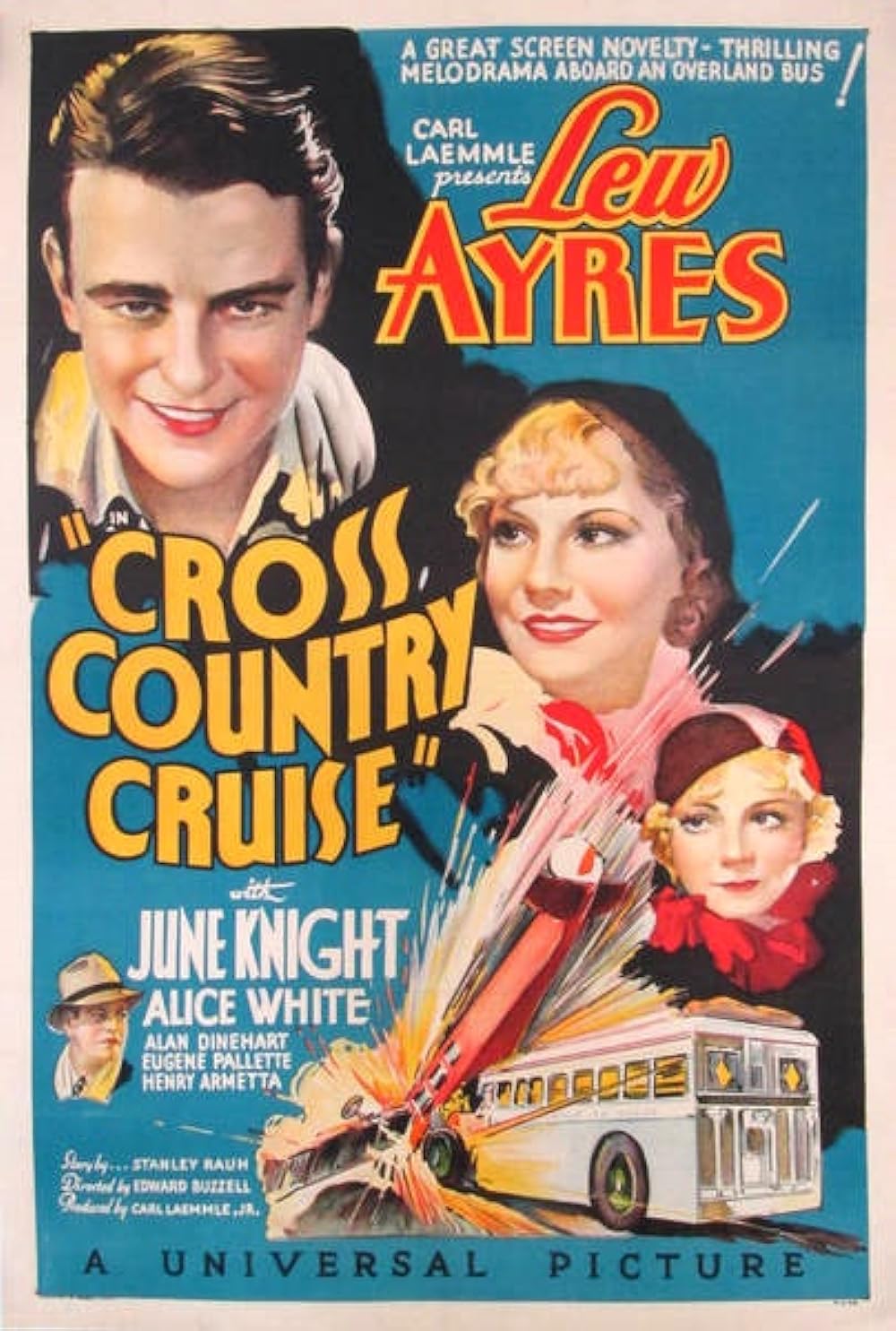
Cardinal Dougherty presents the boycott as Christianity’s latest and final response to the continued ignorance of the movie production and distribution industries. Despite appeals to film producers and censorship movements, the movies have only become worse, he says. Films such as Cross Country Cruise, released in January 1934 and advertised on the reverse side of the cover page of the 1934 Philadelphia Exhibitor, would have been the last straw for the Cardinal. The film involves a young woman’s relationship with an already-married man, the murder of the man’s wife, and playboy and flirtatious behavior, all of which undermine the sanctity of marriage and respect for the law. Because the management “responsible for this condition have turned a deaf ear to all the pleas of the decent, clean minded people of our country,” Christians need to show producers that “it does not pay to exhibit films offensive to Christian modesty and decency” through a boycott. In order to have the film industry take this movement against filmed debauchery seriously, Christians needed to threaten their bottom line.
The Cardinal thus called upon everyone, including school children, to sign pledges to boycott films as not just a suggestion but a “positive command, binding all in conscience under pain of sin”. Christians not only should, but must follow the boycott. He additionally instructs the priests receiving the letter to read his letter to the Masses on Sunday, June 10, 1934, and then to give a sermon on the “menace of the modern motion picture” on Sunday, June 17.
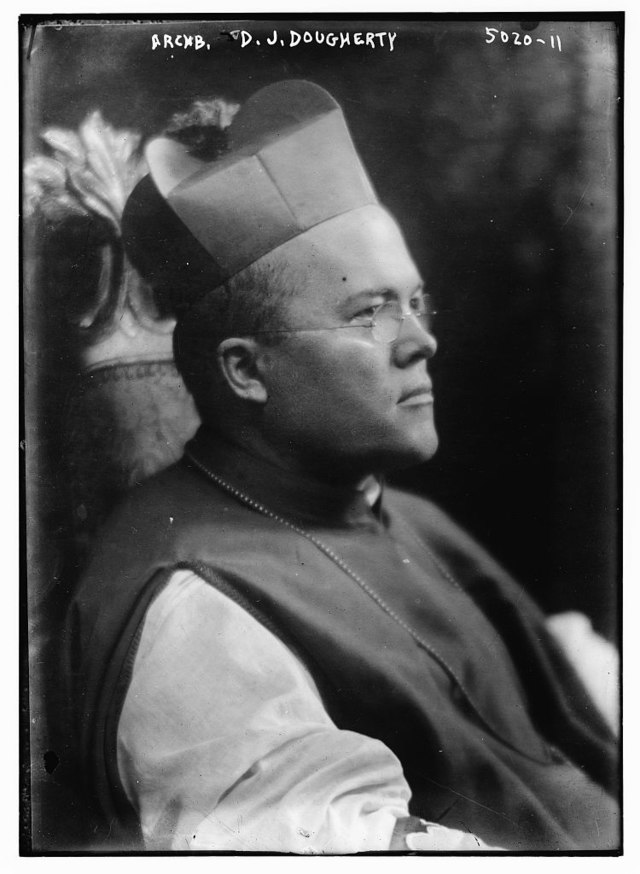
The effect of this call to arms was immediate; over 300,000 Catholics signed the pledges, and ticket sales dropped by 20 percent. While Cardinal Dougherty received letters from theater owners and movie studios asking to end the boycott, the Cardinal also received letters from both Catholics and Protestants praising his stance against Hollywood’s immorality.
Philadelphia theaters had an, understandably, negative response to this boycott. This response ranged from complaints to threats of closing, with reasoning cited as due to the Catholic boycott. In July of 1934, the Warner Brothers Company gave notices of closing to their 2,500 union and nonunion workers. This caused contention within the Warner Brothers Company, where it appears that tensions were high in the face of this conflict. Leonard Schlesinger, the zone manager of the Warner Company explained that they were forced to give these notices due to the fact that “it is cheaper to pay for the cost of the closed theaters than to operate them and sustain even greater loss under the boycott.” These notions were denied by the general manager, Joseph Bernhard, who revealed that the notices were simply customary Summer notices that are required by some of the Union contracts that the theaters had to follow. These notices permitted the shutting down of some theaters during the summer season. He did state that there would likely be about fifteen to twenty theaters shut down during the summer months, yet that this was completely customary, and only slightly more than were usually shut down in the summer. He also admitted to the boycott’s impact on their theaters.
In June of 1934, there were reports that profits from the downtown movie theaters had been “far below normal over the past two weeks.” While the article suggested that some of this lowering in profit can be attributed to a normal, seasonal slump, much of it also was likely a result of the Catholic boycott. Additionally, it was noted that those theaters “in strong Catholic parishes have felt very definite reactions.”
Philadelphia theaters also complained about the nature of the boycotts. Many theaters, as well as some Catholics who were part of the boycott, stated that, in other cities, Catholic bishops and cardinals printed “black and white” lists, which detailed which movies could morally be viewed by Catholics, and which should not be viewed due to their inappropriate themes and stories. Instead of having all Catholics boycott all films, they believed that they should only boycott the films that were seen negatively by the Catholic Church. The Cardinal rejected this request, continuing to promote the full boycott of all theaters.
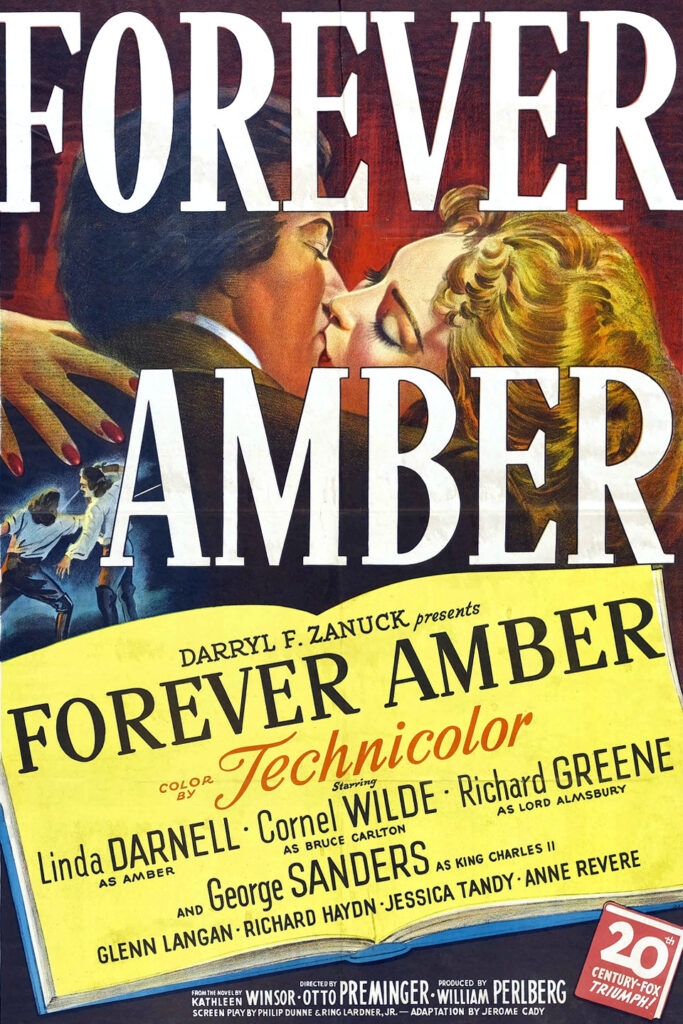
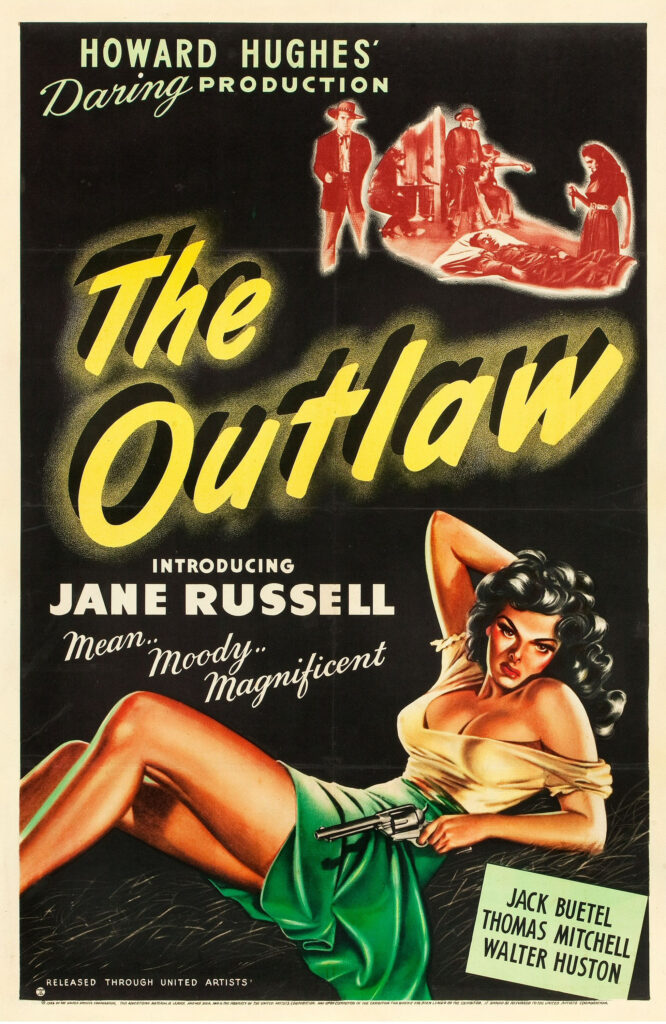
Some theaters were more threatened by the boycott, and were more likely to go along with the Cardinal’s requests. In November of 1947, William Goldman withdrew The Outlaw from his Endanger Theater in Philadelphia after Cardinal Dougherty threatened that anyone playing The Outlaw or Forever Amber would face a one year boycott by Catholics. On the other hand, The Fox ignored these requests and continued to play Forever Amber.
Support as well as dissent toward the Catholic boycott greatly ranged. On July 3, 1934, the New York Times reported that “Pope Pius bestowed his special apostolic blessing today upon the campaign against the indecent motion pictures initiated in the archdiocese of Philadelphia.” With the outpouring of support from the Pope, Catholics were able to set forward with these protests with vigor and determination.
The editor of the Philadelphia Exhibitor, Jay Emanuel, wrote a piece titled, “Again the Exhibitor Suffers” in March 1, 1943, arguing that theater companies are taking the punishment and losses in profits that should be meant solely for the production companies that produce the immoral films in the first place. Rather than address the Cardinal, the editor seems to indirectly address and attempts to appeal to the average Christian reader. He tries to invalidate the motivations of the boycott, stating that it would “provide another serious problem for the individual exhibitor, who must play what he has purchased, regardless of content. What mistakes Hollywood has made in producing the sort of pictures on which the Catholic council frown are for the exhibitor to meet and correct.” Emanuel portrays the film exhibition industry as Hollywood’s poor, powerless scapegoat. The boycott thus “works an injustice on men who are as desirous of clean pictures as anyone in the country,” and Emanuel thus tries to align the interests of the boycotting Christians with the theater industry.
When theaters called for the end to this boycott, the Cardinal remained steadfast in his beliefs, stating on New Year’s Day of 1935 that the Catholic boycott will not end until “they are transformed,” the they likely referring to movie theaters, movies, and the movie going experience as a whole.
The press also at times became roped into this boycott. In 1947, Philadelphia newspapers received letters of censure and threats of boycott from Catholics supporting the ban. The letters stated that newspapers should not be promoting immoral movies. Specifically at this time, Catholics were fighting against the movies Forever Amber and The Outlaw, but this sentiment carried on to many other movies of the time period.
What is very interesting about this movement is that the boycott never traditionally ended. Cardinal Dougherty never declared an official end to the boycott, and as years went on, Catholics began to waver in their protesting. Some sent letters to the bishop after a few years to ask if the boycott was still on, as there was very little coverage or publicity around it. Eventually, the Cardinal died without ever actually ending the boycott.
The boycott did not last as successfully or have the results Cardinal Dougherty would have wanted, as support gradually declined, and it did not have the same gusto and support as the protests had when they first started. However, they did generate pressures toward the Motion Picture Association of America, causing them to create stronger self-censorship rules, as well as the creation of the Production Code Administration. It is important to note that the Production Code Administration was first headed by a Catholic layman by the name of Joseph Breen. Clearly, this division was created to be guided by Catholic morals and values in the wake of the Catholic boycotts. Additionally, the time post-boycott saw the growth in power of the Legion of Decency, which was another Catholic-headed organization which reviewed and rated movies in the United States.
General Timeline of the Catholic Boycott in Philadelphia:
- January 15, 1932: Cross Country Cruise is released, showcasing murder, flirtatious behavior, and extramarital relations in a fast-paced, heart-racing screenplay.
- March 1, 1934: Emanuel’s “Again the Exhibitor Suffers”, arguing that boycotting films is not effective because it hurts only independent theaters rather than production companies.
- June, 1934: Downtown movie theaters face abnormally low profits.
- July 3, 1934: Pope Pius gives support to boycott in Philadelphia.
- July, 1934: Warner Brothers Company gives notices of closing to union and nonunion workers.
- February 5, 1943: The Outlaw released, a film famous for Jane Russell’s becoming a sex symbol and Hollywood icon.
- October 22, 1947: Forever Amber released, a drama romance film about a girl who flees her puritanical guardian to London.
- November, 1947: Endanger Theater in Philadelphia withdraws showings of The Outlaw due to threat of boycott from Catholics.
